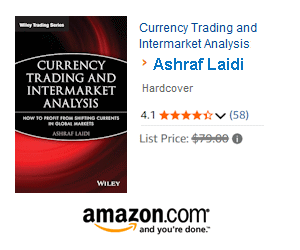



Ashraf's Book: Currency Trading and Intermarket Analysis
How to Profit from the Shifting Currents in Global Markets
Wiley Trading Series - 2008
*Ranked #1 in Amazon's Foreign Exchange and Finance sub-categories
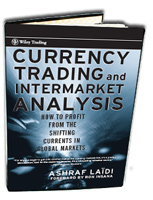
Chapter 1 Gold and the Dollar
- End of Bretton Woods System Marks Gold's Takeoff Fed Tightening and FX Interventions Rein in Gold Rally
- Central Banks Gold Sale Agreements
- Gold-USD Inverse Relation
- Recent Exceptions to the Inverse Rule
- Using Gold to Identify Currency Leaders and Laggards
- Golds Secular Performance
- Valuing Currencies via Gold
- Golden Correlations
- Dont Forget Falling Gold Production
- Gold and Equities: Hard versus Monetary Assets
- Gold-to-Equity Ratios
- The Role of the Speculators
- Gold Is Part of a Larger Story
Chapter 2 Oil Fundamentals in the Currency Market
- From a Gold Standard to an Oil Standard (1970s-1980s)
- Oil Glut and Price Collapse (1981-1986)
- The Super Dollar of (1980-1984) The Worlds Third Oil Shock
- World Intervenes against Strong Dollar (1985-1987)
- Iraqs Invasion of Kuwait and the Gulf War (1990-1991)
- The Asian Crisis and OPECs Miscalculation (1997-1998)
- Oil Thrives on World Growth, Dot-Com Boom (1999-2000)
- Iraq War Fuels Oil Rally, Dollar Flounders, China Takes Over (2002 to Present)
Chapter 3 When the Dollar was King (1999-2001)
- The Major Theories
- Annual Performance Analysis of Individual Currencies
Chapter 4 The Dollar Bear Rises (2002-2007)
- 2002: The Beginning of the Dollar Bear Market
- 2003: Dollar Extends Damage, Commodity Currencies Soar
- 2004: Global Recovery Boosts Currencies against U.S. Dollar
- 2005: Commodities Soar alongside Dollar, Carry Trades Emerge
- 2006: Dollar Vulnerable as Fed Ends Two-Year Tightening
- 2007: Record Oil Boosts Loonie, Helpless Fed Hits Greenback
- Lessons Learned
Chapter 5 Risk Appetite in the Markets
- Carry Trades in Foreign Exchange
- Using Risk Appetite to Gauge FX Flows
- The VIX
- Futures Flows
- Corporate Bond Spreads
- Tying It All Altogether: 1999-2007
Chapter 6 Reading the Fed via Yield Curves, Equities, and Commodities
- Yield Curves and the Economy
- Types of Yield Curves
- Rationale of Inverted Yield Curve Implications
- Effectiveness of Yield Curve Signals Implications
- Greenspans Conundrum Proved Bernankes Problem
- Implications for Growth, Stocks, and Currencies
- Tying Interest Rates to the Gold-Oil Ratio
Chapter 7 U.S. Imbalances, FX Reserve Diversification, and the U.S. Dollar
- The U.S. Twin Deficits
- U.S. Current Account Deficit: Old Problem, New Challenges
- Adding the Budget Balance to the Mix
- Financing the Deficits: The Path to Unsustainability?
- Dissecting U.S.-Bound Foreign Capital Flows
- U.S. Stocks and Bonds Vie for Foreign Money
- Capital Flows Shift Identities
- Foreign Direct Investment and M&As
- How Long Will Foreign Capital Be Available on the Cheap?
- Dont Ignore U.S. Investors Flows Abroad
- Currency Reserve Diversification: OPEC and the Middle East
- Further Currency Diversification Is Inevitable
- The View Ahead
Chapter 8 Commodities Super Cycles and Currencies
- The Current Commodity Cycle versus Previous Cycles
- Dissecting Commodity Classes
- Commodities and their Currencies
- Developing World to Maintain Ripe Outlook for Food and Grains
- Energy Efficiency Not Enough to Halt High Oil
- Copper and Gold to Shine on Long Term Fundamentals
- Commanding Heights or Common Bubbles?
Chapter 9 Selected Topics in Foreign Exchange
- Revisiting Yield Curves
- Is Dollar Stability a Necessity?
- How Far Will Commodities Outstrip Equities?
- U.S. Politics and the U.S. Dollar